



Best Furniture Moving Companies in Essex
Moving furniture safely requires more than simply carrying items from one place to another. Large pieces can be difficult to maneuver, doorways and staircases may require careful planning, and even a short move can become complicated when schedules are tight. In Essex, CA, homeowners, renters, and businesses often need a practical approach that keeps the relocation organized while protecting furniture and minimizing disruption. Big Deahl’s Movers provides furniture moving assistance designed around those everyday challenges, with attention to preparation, timing, handling, transportation, and clear communication throughout the process.
Planning the Move Before Furniture Is Lifted
A well-organized furniture move begins before the moving crew arrives. Knowing which pieces are being relocated, where they are currently positioned, and where they need to go helps establish a realistic plan. Furniture dimensions, access points, parking conditions, stairs, elevators, narrow hallways, and other site considerations can all affect how the move is handled. Taking these details into account early can reduce unnecessary delays and make the actual loading process more efficient.
For customers arranging service with Big Deahl’s Movers, discussing the scope of the relocation in advance can also help clarify scheduling expectations. A straightforward conversation about the furniture involved, pickup and delivery locations, and any access concerns gives the moving team useful information for preparing appropriately.
Careful Handling for Everyday and Valuable Furniture
Furniture varies considerably in weight, construction, and sensitivity. A solid wood dining table may require a different handling approach from an upholstered sofa, glass-front cabinet, antique dresser, or office workstation. Protecting surfaces and vulnerable components during movement is an important part of avoiding preventable damage.
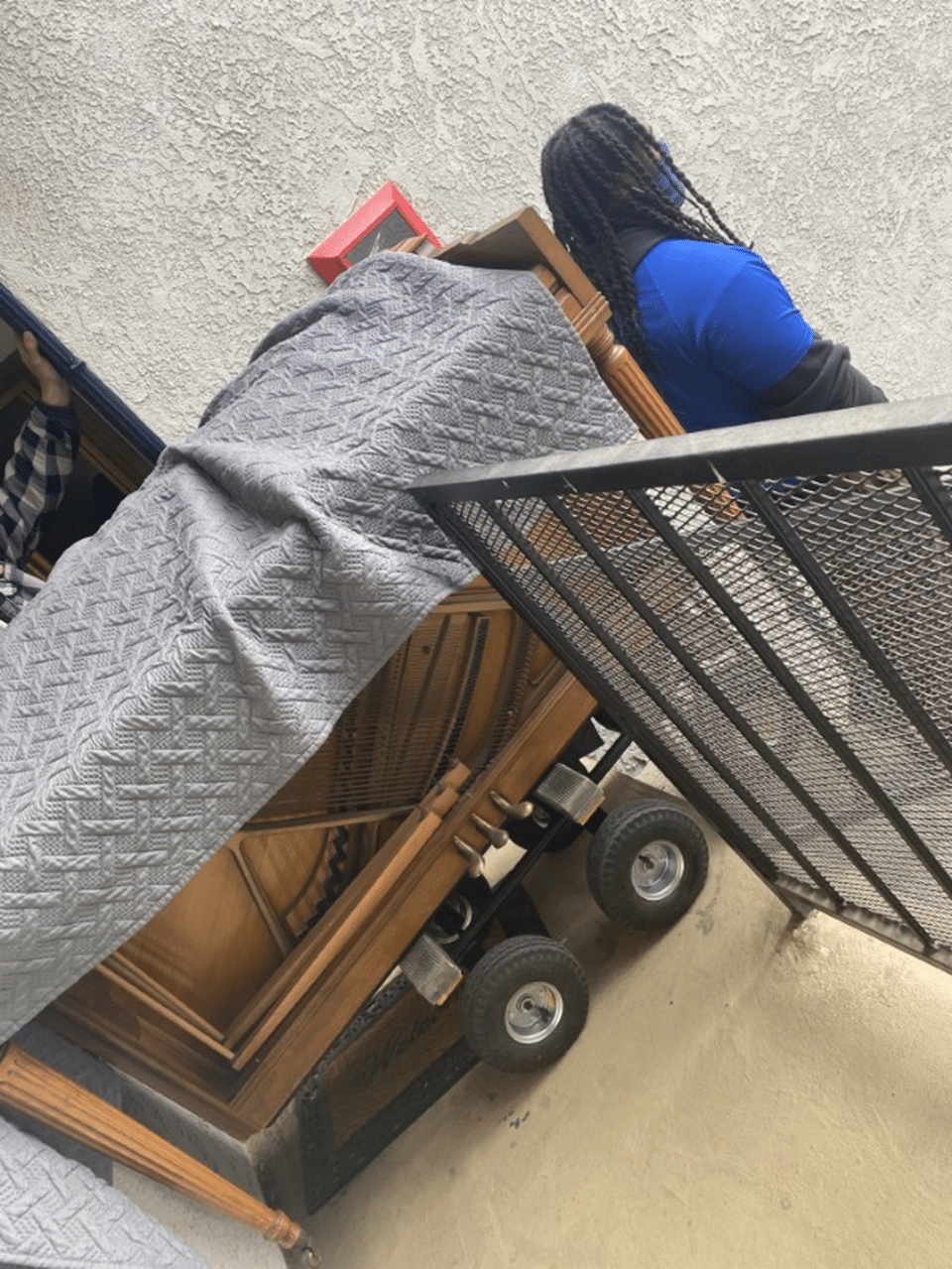
Professional furniture movers typically use appropriate moving pads, wrapping materials, straps, dollies, and other equipment based on the item and surroundings. Corners, edges, legs, doors, drawers, and finished surfaces deserve particular attention. Careful lifting and controlled movement can also protect walls, floors, door frames, and other areas of the property while furniture is being taken out or brought inside.
Preparing Furniture for Transportation
Preparation can make a noticeable difference in how smoothly furniture travels. Drawers may need to be secured or removed, shelves taken out, and detachable components protected separately. Some larger pieces may be easier and safer to move after partial disassembly, particularly when doorways or interior spaces are restrictive.
Packing does not necessarily mean wrapping every piece in the same material. Upholstered furniture may need breathable protective covering, while finished wood surfaces can benefit from padding and careful separation from other objects. Fragile components should be identified before loading so they can receive appropriate attention. Good preparation helps reduce movement inside the vehicle and makes unloading more predictable.
Coordinating Access, Timing, and Transportation
Scheduling is often one of the most important aspects of a furniture relocation. A move can be delayed when a loading area is unavailable, a property is not ready, or the destination cannot receive furniture at the expected time. Building reasonable time allowances into the schedule gives the move greater flexibility when unexpected conditions arise.
Transportation planning also involves more than selecting a vehicle. Furniture needs to be positioned securely so it remains stable while in transit. Proper loading order, spacing, padding, and tie-down practices can help reduce shifting and contact between individual pieces. For businesses, coordinating transportation around operating hours may also help limit interruptions to employees, customers, or daily operations.
Making Difficult Furniture Moves More Manageable
Some furniture presents challenges because of its size, weight, shape, or location within a building. Tight staircases, narrow corridors, low clearances, and awkward turns can require additional planning. Rather than rushing a difficult maneuver, movers can assess the route and determine the most controlled way to move the item.
Communication is especially useful when conditions change during the move. If an alternate access point is needed or a piece requires additional preparation, discussing the situation before proceeding can prevent avoidable problems. A measured approach is generally more effective than trying to complete a difficult move as quickly as possible.
Keeping the Relocation Organized From Start to Finish
Furniture moving becomes easier to manage when preparation, handling, transportation, and delivery are treated as connected parts of one process. Customers can help by clearing pathways, identifying fragile or particularly valuable pieces, confirming access arrangements, and making sure the destination is ready for placement. Movers can then focus on the physical work without unnecessary interruptions.
For larger relocations, maintaining communication about timing and changes can also help everyone stay coordinated. Clear expectations are particularly important when furniture needs to be moved between multiple locations or when the relocation must fit within a specific schedule.
Furniture Moving Support in Essex, CA
Whether you are furnishing a new home, changing apartments, relocating an office, or transporting individual pieces, professional furniture moving can provide a more structured way to handle the physical demands of relocation. Big Deahl’s Movers approaches each move with attention to preparation, item protection, access conditions, transportation, and scheduling rather than relying on a one-size-fits-all process.
If you are planning a furniture move in Essex, CA, contact Big Deahl’s Movers or submit an inquiry through the website to discuss your relocation needs, preferred schedule, and availability. Sharing the details of your move in advance can help establish a practical plan and provide a clearer understanding of what to expect on moving day.